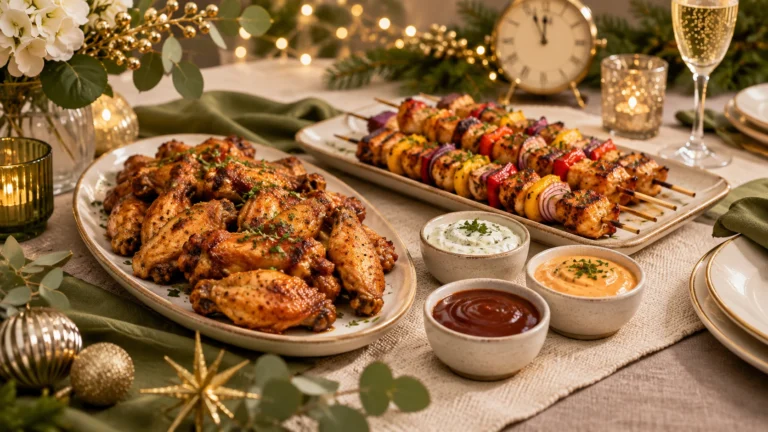
Choose chicken soup when you want a flexible stovetop dinner, a braise when you can give chicken pieces a covered simmer, or a casserole when you have time to assemble a dish and leave it in the oven. Soup is easy to portion in shallow containers, while a braise holds its sauce well. Pick the format by the time and equipment you have tonight.
Figure out how much attention the evening allows
Start with the busiest part of your evening. If you need to be available for a call or homework shortly before dinner, choose a dish whose main active work can be done before that window. Oven space, cutting time and final checks matter more than the label on the dish. An easy casserole can take more effort if the recipe asks you to cook rice, chicken and sauce separately before baking. A soup can look simple until it asks you to cool, skim and strain a batch of stock.
Soup fits when you want a varied dinner from one pot. Broth, vegetables and chicken give you many ways to adapt the meal. A recipe that starts with cooked chicken can be quick, provided you know its storage history. A from-scratch soup uses more time if you are building broth and cooking the meat from raw. Check whether rice or noodles go in the pot or get cooked separately. That changes both the burner count and the quality of later portions.
A braise fits an evening with time for initial browning and a longer, gentle cooking phase. Braising generally uses a covered pan and a modest amount of liquid around the chicken and vegetables. A suitable recipe will tell you how to place the chicken, how much liquid to add and when to uncover the pan. Choose similar pieces if you want each portion to cook consistently. Leave the pan accessible so you can monitor the liquid and check the meat without moving a heavy pot.
A casserole works when the active assembly can happen ahead of the most crowded part of the evening. Look for a recipe written for the chicken you have, whether raw or already cooked. Pay attention to the vessel size and the intended starting temperature. A deep or refrigerator-cold casserole can heat differently from a shallow one assembled from warm ingredients. Confirm the center is done before serving.
| Dinner | Concentrated work | Equipment | Later serving |
|---|---|---|---|
| Soup | Chopping and adding ingredients in order | A pot and possibly a second burner for noodles | Portion broth and toppings separately |
| Braise | Browning, adding liquid and checking the dish | A covered pan with suitable depth | Portion chicken with some cooking liquid |
| Casserole | Assembling, heating and checking the middle | Oven and the recipe’s baking dish | Cut into portions once it can be safely handled |
| Pot pie | Filling, pastry or topping, and baking | Stovetop and oven in many recipes | Reheat portions safely and expect some topping texture change |
Match the method to the recipe and the serving plan
For a soup evening, choose a broth-based recipe if you want a dinner that can take a bread side or a handful of cooked beans. Prep dense vegetables early and follow the recipe’s sequence. If using cooked chicken in a recipe designed for it, add it at the directed stage and heat the leftovers thoroughly. Keep the noodles separate if you plan to serve the soup over multiple days. Noodles left in broth can continue absorbing liquid and soften.
For a braise evening, pick a cut and pot that fit the number of diners. A wide pot can brown several pieces without piling them up. Smaller batches may be easier if the pot is narrow. Build the sauce according to the recipe and check the chicken in the thickest part. A bit of plain grain or mashed potato can catch the cooking liquid. If you have one burner, choose bread or a cold vegetable so the pot can stay in place for its full cook.
For casserole night, read the entire recipe and mark each ingredient that needs a separate step. A casserole topped with pastry, breadcrumbs or biscuits can be a good choice if you have the oven and want a crisp finish. Serve it with a cold green side to avoid cooking another hot dish in the same window. If you are using a different dish, account for the depth and follow the recipe guidance. A browned top alone cannot tell you what happened at the center.
Choose a format for the time you actually have
Suppose you have thirty minutes of active attention and another stretch when you can check the oven occasionally. A casserole with already prepared ingredients is plausible if its recipe fits that schedule. Soup from scratch might be too much if you need to strain a broth and cook noodles, but a simple soup with a safe cooked base can fit. Braising requires time for browning, even when the covered part is quiet. Read the steps first and count those minutes separately from the total cook.
If dinner could be interrupted, pick a dish you can keep safely hot or cool promptly for another serving. For example, a braise can sit briefly with its sauce in an appropriate hot-holding setup. Soup can be stored in smaller shallow containers and reheated later. A casserole you want to serve crisp is more sensitive to a long hold because trapped steam can soften its topping. Keep chilled sides in the fridge and add them only once everyone is ready.
For a pastry-topped option, see Old Fashioned Chicken Pot Pie.
Make tonight’s portion and a later dinner on purpose
Before cooking, find a set of shallow containers and make space in the fridge. If you want to serve leftovers once later in the week, portion what you need soon after dinner. USDA recommends refrigerating cooked leftovers within two hours, or within one hour above 90°F (32°C), and using most refrigerated cooked leftovers within three to four days. Freeze according to the dish if you want to keep the later serving longer.
With soup, cool a large batch in several shallow containers rather than leaving a heavy pot out. Label the broth, chicken and noodles if you packed them separately. With a braise, save enough liquid in each container for the serving. Cool components promptly rather than holding one back at room temperature while the others go into the fridge. For a casserole, a shallow portion cools more efficiently than the full baking dish sitting on the counter.
Reheat cooked leftovers to 165°F (74°C). Bring soups, sauces and gravies to a boil when reheating them according to USDA guidance. Check the middle of a casserole portion and use suitable cookware for the appliance. Avoid assuming that a bubbling edge means every part has reached temperature. Stir a soup or sauce where practical and check the thicker pieces of chicken, since the temperature of the liquid can differ from the centers.
Put the second meal together with a small change
Save cooked chicken soup without noodles and add a fresh portion at serving. Serve a braised thigh with bread one night and with a warm grain later, using only the portion you need. A casserole can go alongside sliced cucumber or crunchy cabbage the second night. These changes make sense when you preserve the original storage date and adjust the topping or side instead of repeatedly reheating the whole batch.
Choose a dish that fits how you shop
Look at the chicken you can use today before buying a new cut. If you have safely stored cooked chicken and a prepared broth, a soup designed for both saves the time of making broth from scratch. If you have raw bone-in portions, a braise gives them a cooking method intended for their size. If you want to use small cooked pieces in a casserole, choose a recipe written for that starting state. The best choice is often the one that makes a useful meal from what is already in the refrigerator.
A loaf of bread or a bowl of washed salad can take the pressure off the main. Set it out once the hot dish is nearly ready. When serving a casserole, decide whether people will take portions at the table or whether you will plate from the baking dish. For soup and braise, use shallow bowls with enough room to move them without spilling.
For other one-pot winter meals, browse Chicken Soup & Stew Recipes.
For more on thermometer use and storing cooked chicken, see the HCCR chicken food safety guide.
Sources and references
Frequently asked questions
Which winter dinner is most hands-off?
A covered braise can be quiet after browning, and a casserole can be quiet after assembly. Compare prep steps and available time before choosing.
Which format is easiest to portion for later?
Soup is easy to ladle into shallow containers. A braise also portions well if each serving gets some sauce. Store noodles separately when texture matters.
What should I choose with only one burner?
Pick a soup or braise designed for a single pot and add a cold side or bread. Check the recipe for separately cooked starch or noodles.
How can I tell if a casserole is heated through?
Use a thermometer at the center and in any particularly thick areas. Casseroles and reheated leftovers should reach 165°F.