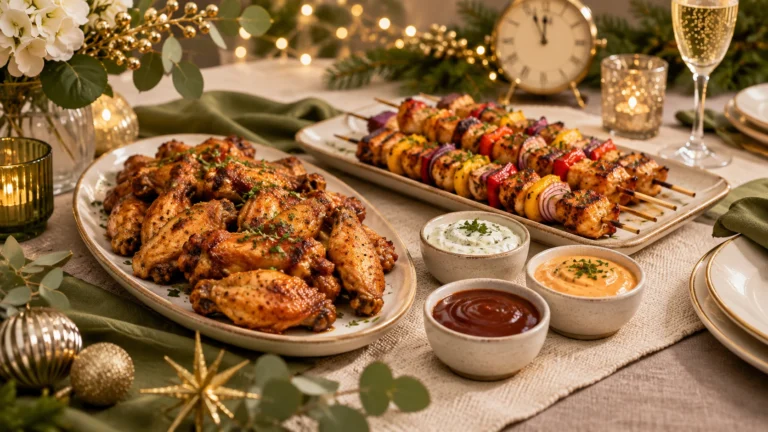
Build a spring chicken dinner around lemon or fresh herbs, then add a fast green vegetable such as asparagus, peas or snap peas. For a weeknight, use a skillet main and one quick side. For Sunday, pair a small roast or kabobs with potatoes and fresh greens. Wash and trim the vegetables early, then cook or dress delicate greens close to the table.
Choose herbs and vegetables for the main you are making
Parsley, dill, mint and chives bring different flavors to chicken. Parsley and chives suit buttery potatoes or a mild pan sauce. Dill is useful with cucumber or a cool yogurt side. Mint fits peas, a fresh salad or a mild grain. Pick one herb for the main and one for the side only if the second has a distinct job. Check the cooked chicken and sauce together before adding lemon to both.
Asparagus, peas and snap peas cook quickly once ready to use. Choose asparagus by the size you can cook evenly and trim according to tenderness. Frozen peas are a practical option when fresh ones are expensive or scarce. Follow their directions and check when they are heated through. Delicate salad leaves have a different role. Keep them dry and chilled, and toss them close to eating to prevent wilting.
The best choice also depends on the market and your location. The season when produce is available varies with climate, so use what looks good and fits the method. Green beans can substitute for asparagus in a menu if their cooking time is planned separately. A washed cucumber or a bowl of crisp lettuce works when every burner is occupied. Frozen vegetables give you another option without requiring more washing and trimming.
| Spring option | Use it with | What to do early | Last step |
|---|---|---|---|
| Asparagus | Lemon-herb chicken or a small roast | Trim and refrigerate it | Cook once the station is free |
| Peas | Buttered chicken, potatoes or grain | Measure the portion | Heat according to its directions |
| Tender salad greens | Kabobs or skillet chicken | Wash, dry and chill | Dress lightly when serving |
| Cucumber and dill | Herb chicken or roast portions | Chill, and mix dressing separately | Slice or dress close to dinner |
Plan the quick skillet dinner
For two or three, choose chicken portions that fit a single skillet without crowding. A lemon-herb or buttered preparation gives you a warm main and a little moisture for a starch if the recipe makes sauce. Set up another burner for asparagus or peas. If you have only one, choose a cold salad or prepare the grain before the chicken and hold it safely.
Get the vegetables and clean serving utensils ready before touching raw chicken. Dry the greens and keep them refrigerated. Measure the vegetables that need cooking and choose a suitable pan. Follow the chicken recipe and check the thickest part for 165°F (74°C). If asparagus is very thin, begin it near serving so it can keep its bite while you move the chicken to plates. Use a timer only as a prompt to check texture.
If the main has a lemon pan sauce, taste it with a cooked piece. Buttered peas or a small plain potato can be a good counterpoint when the main is sharp. Offer wedges instead of automatically squeezing lemon across all the food. If spring onions look especially fresh, use the milder green parts as a finishing garnish. A small handful is enough to keep the flavors clear.
Build a Sunday menu that still has a simple finish
A small bird or a tray of kabobs can carry the main while potatoes cook in a pot and salad stays cold. Make the choice based on cooking time, oven or grill space and appetite. A roast gives you a carving step and more than one cut. Kabobs give you ready-to-serve pieces and may suit a smaller group. Check whether the recipe has a marinating window. Marinate poultry covered in the refrigerator and use clean equipment for the cooked food.
For a table of four, set out the roast in the center, potatoes in a separate vessel and one green side. If the meal will be served outside, keep cold foods at or below 40°F (4°C) and hold hot foods at 140°F (60°C) or above where appropriate. For kabobs with a yogurt side, keep the dressing chilled until the skewers are ready. A second strong sauce can cover the fresh herbs and the green vegetables, so keep optional sauces on the table.
If the vegetables finish while you still need a few minutes for carving, decide which ones will hold well. Boiled potatoes can be kept safely hot. Small cooked vegetables and dressed greens tend to lose some of what makes them appealing. Leave green beans or peas for the last stage when possible. If the cook has to be at the table before the roast is carved, serve an already chilled salad and do the hot finishing jobs first.
For a buttery spring pan main, see Buttered Chicken.
Give the greens their own schedule
The day before a planned meal, check the menu and make sure the pans and refrigerator space are available. Mix a dressing and refrigerate it, and wash robust vegetables if helpful. Store them cleanly in the refrigerator. Delicate herbs hold better when handled according to their variety. Cut or tear the most fragile leaves near serving and keep them off warm surfaces.
As the poultry approaches temperature, put the potatoes or grain in a serving vessel. Get a clean board ready for finished chicken. Check the main according to the recipe and thermometer, then cook the final green or toss the salad. If the asparagus is ready too early, transfer it out of hot water to stop continued cooking and plate when the rest is ready. Keep cooked food under temperature control if there is more than a brief wait.
Use one tasting fork for a sample and clean utensils for serving. Try a small bite of chicken and green vegetable together. If the green is plain and the main is richly sauced, a little chopped herb can be enough. If salad dressing would run over tender vegetables, use a small bowl. For the next meal, refrigerate perishable leftovers promptly and separate wet salad from warm components when practical.
Adapt if the market is short on spring herbs
Use dried herbs where the recipe works with them, generally earlier in cooking so they can hydrate and flavor the dish. Strong dried herbs can dominate a light pan sauce, so start with a modest amount. Fresh lemon zest or thinly sliced scallions may give the aromatic finish you want. A spring menu can still feel fresh from peas, cucumber and crisp greens even if you skip a soft herb garnish.
Use the first taste to adjust the whole plate
Use a small taste of fully cooked main and one piece of the fresh vegetable to check the balance. A dish with a rich butter sauce may suit plain peas and radishes. A plainly seasoned pan of chicken can work with more herbs in the vegetable side. Try seasoning just a scoop before adding anything to the whole bowl, and serve extra dressing separately. When one person prefers a lighter flavor, keep a portion of asparagus or peas mostly plain and add sauces individually.
For four people with one oven and a single burner, use the oven for chicken and the burner for potatoes. Prep a cucumber and herb salad instead of planning a second hot side. Have two clean serving stations, one for hot potatoes and one for the chilled bowl. Once the chicken reaches temperature, let it rest if the recipe directs, drain the potatoes and dress the salad. If someone brings a second side, give it a place on the table without moving the carving board.
An especially thin bunch of asparagus can be difficult to hold while the cook is plating. Serve it as a first side in the kitchen or move it to a bowl separately once tender. If the chicken needs longer, keep uncooked asparagus chilled and begin it later. Avoid parking cooked asparagus in a warm pan while the rest of the dinner is still underway.
For produce pairings, browse Chicken and Vegetable Recipes.
For more on thermometer use and storing cooked chicken, see the HCCR chicken food safety guide.
Sources and references
Frequently asked questions
Which spring vegetables cook fast?
Peas, thin asparagus and snap peas can cook quickly. Check their directions and start them close to serving when texture matters.
What works if fresh herbs are unavailable?
Use a modest amount of a suitable dried herb early in cooking, or finish with lemon zest or scallion greens. Taste the main before adding another strong flavor.
What can I cook the day before?
Prepare dressing or a suitable side and chill it safely. For a crisp green vegetable, prep it early and cook it close to dinner.
What fits a one-burner spring dinner?
Use the burner for the chicken and choose a cucumber side, salad or starch cooked in a suitable separate appliance.