Pack fully cooked, safely chilled chicken in a format your child can open and eat independently. Use an insulated bag with at least two cold sources, and have the lunch refrigerated on arrival if the school offers that option. Check school food rules and the original chicken storage date before you pack.
Find out what will happen between home and lunch
Start with the school schedule. Find out when lunch actually begins, whether a refrigerator is available to students and whether staff can help with packaging. Some classrooms store bags in a common area far from the cafeteria. Others keep them in cubbies that get warm in the afternoon. Plan an insulated setup that keeps the lunch cold through the whole interval. If you cannot keep perishable food at 40°F (4°C) or below during a long morning, choose a lunch built from shelf-stable foods according to package directions.
Check the school's allergy rules and reheating options in advance. A small container of cooked chicken can be a practical meal if the child can reach it and eat it the way it arrives. A pasta dish that only tastes good warm has limited value at a school without a microwave. For most packed cold lunches choose chilled chicken with sides intended to be eaten cold. If you use an insulated hot-food container, follow the manufacturer's directions and USDA hot lunch guidance so food stays at 140°F (60°C) or above.
Choose a school lunch format
| Situation | What to do |
|---|---|
| Child can open a divided box | Pack chilled pieces and keep dry sides separate. |
| Child prefers a wrap | Use a filling that holds together and test the wrapper. |
| Cold storage is unreliable | Choose shelf-stable foods that meet school rules. |
Choose a format your child can finish
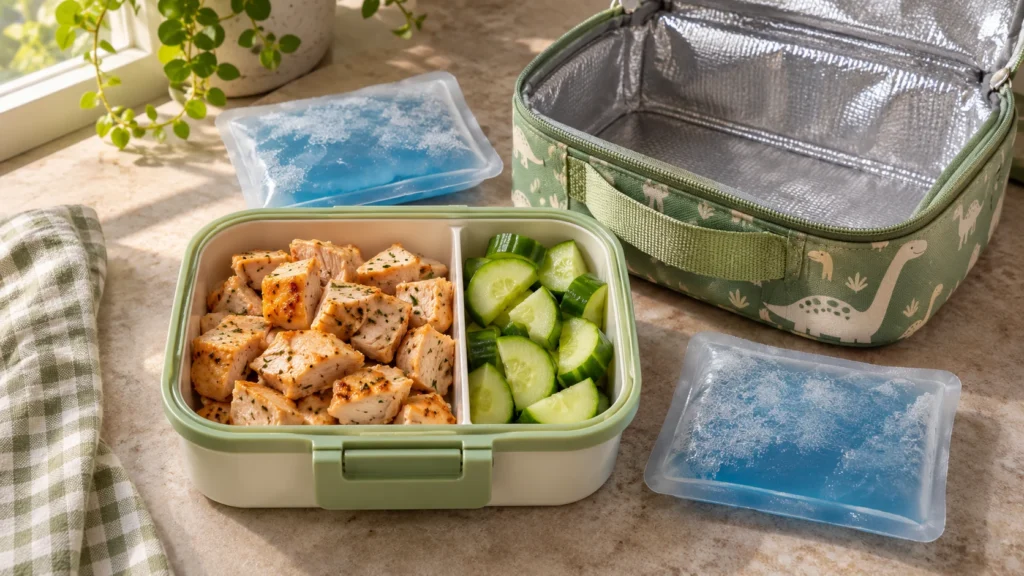
A simple box might have a portion of chopped cooked chicken, crackers in a dry compartment and cucumber pieces cut appropriately for the child. Choose familiar ingredients for the first few days so the packing trial focuses on whether the child can open the box and find the parts. Pack chicken without bones, and remove any cartilage. Cut the meat to an age-appropriate shape and texture. For a child who needs help with chewing or swallowing, follow their established care plan.
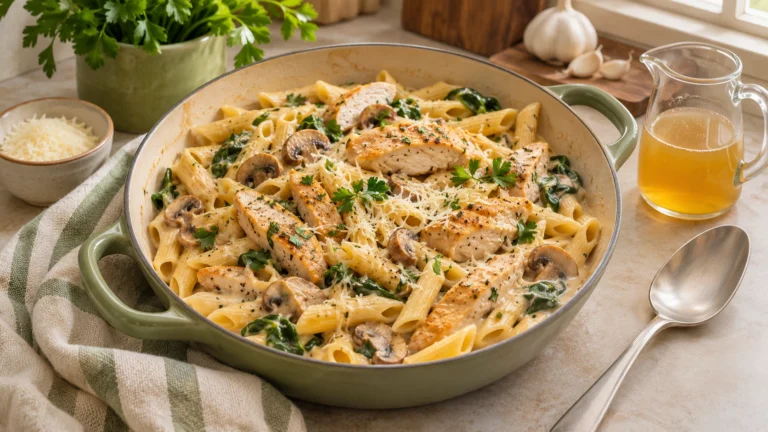
A small wrap can work when it can be picked up with one hand. Use a filling that holds together and cut the wrap into manageable pieces if needed. Test how the wrapper peels back and whether the cut side spills. A chicken and pasta box can also work cold if the pasta is prepared for that use, cooled promptly and safely chilled alongside the chicken. Choose the components based on the meal your child actually enjoys.
Put the cold sources against the food
USDA recommends using an insulated soft-sided lunch bag with at least two cold sources for perishable food. Place cold sources above and below the food. Two frozen gel packs work, as can a frozen beverage and a frozen gel pack if they fit. Chill the chicken and other perishable parts before packing. Starting with cold food gives the insulated bag a better chance of holding the right temperature through transit and the morning.
Pack the bag just before leaving. Leave enough room for the cold sources to lie next to the containers and zip the bag completely. If lunch can go into a refrigerator at school, tell your child where to take it, and follow school guidance about how to store the bag. USDA advises leaving the lid or bag open if it goes into a refrigerator so cool air can reach the food. The cold sources still help during the commute.
Test opening, eating and cleanup at home
Set up a practice lunch with the same container, ice packs, bag and utensil you plan to send. Have your child open the zipper and clips, remove the cold pack if it blocks access, eat one bite and close the box again. Count how many actions they need. A single large clip may be easier than four latches. A dressing cup often needs an adult's grip, so try a small portion of lightly dressed filling if a separate container is hard to open.
Choose dry sides that can tolerate being beside a chilled box. Crackers do well in their own dry packet. A firm fruit can stay whole if it is appropriate for your child and their school. If a wet filling keeps seeping, switch to a sturdier wrap or offer chicken pieces and bread separately. Address the mess at the packing stage so the child can spend lunch time eating.
Make a short routine for the night before and morning
If chicken was cooked for dinner, put the lunch portion in a clean shallow container promptly. Refrigerate cooked leftovers within two hours, or one hour above 90°F (32°C), keep them at 40°F or below and use within three to four days. Record the original cook date. Freeze planned later portions while they are safe and thaw them in the refrigerator ahead of time. Place the cold packs in the freezer the night before.
In the morning, take out the chilled containers and finish the bag immediately before leaving. If preparing a sandwich, keep any particularly wet vegetables in a separate container the child can manage. If cold storage fails or the chicken was left at room temperature beyond the applicable limit, discard it. Tell your child what to do with leftovers. USDA advises discarding perishable packed leftovers after lunch. At home, empty the bag and wash and dry reusable containers before repacking.
Work through a typical Monday
Suppose Sunday dinner was roast chicken. Set aside a few boneless pieces from the freshly cooked meal with clean utensils, pack them shallow and refrigerate promptly. Put cucumber in a separate compartment and leave the crackers dry. In the morning, set the closed lunch box between frozen packs. Give your child one reminder about the bag and make sure they know whether the school wants it in a refrigerator when they arrive.
If the container comes home untouched, ask what got in the way. A child who had trouble opening it needs a simpler latch. A child who left the cold chicken because it was too chewy might do better with a tender chopped filling. Change one element at a time so you can tell whether it helped.
Make a plan for a schedule change
If a half day or field trip changes the eating time, check where the bag will be stored before you choose a lunch. A bus or outdoor storage area can warm quickly. A short trial with the real bag, cold packs and expected conditions can help you judge whether the food stays at 40°F or below. If the trip prevents a reliable cold setup, pack a shelf-stable lunch that meets school rules.
Sources
Frequently asked questions
Can I send cooked chicken cold?
Yes, when the chicken was fully cooked, promptly cooled and safely kept at 40°F or below until eating.
How many cold sources should I use?
Use at least two cold sources in an insulated bag. Put them above and below the perishable food where practical.
Is the school refrigerator enough by itself?
Use cold sources for the trip. Refrigerate on arrival if possible and follow school bag storage instructions.
Can the child bring uneaten chicken home for later?
USDA advises throwing away perishable leftovers from a packed lunch after eating.
Does making a wrap extend the chicken's storage time?
Use the original cooking date and the shortest applicable storage window for the ingredients you add.
What if there is no way to keep lunch cold?
Choose shelf-stable items and follow their package directions. Send chilled chicken on a day when safe cold storage is available.