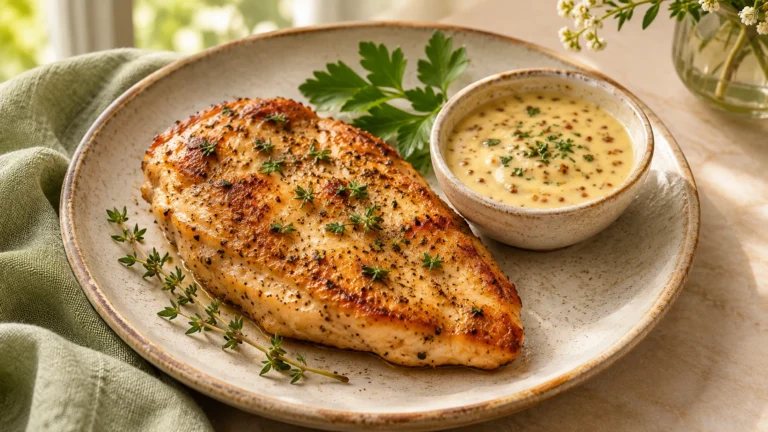
For chicken, replace buttermilk according to its job. In a marinade, plain yogurt thinned until it coats evenly can supply both tang and body. For a quick dip before breading, choose a liquid that leaves a thin, even film. Milk with a little acid can supply tang, but it may stay much thinner than cultured buttermilk. When the recipe depends on a particular crust, a recipe written for your substitute is the most predictable choice.
Identify which step needs the buttermilk
Read the directions after the ingredient list. If the chicken sits in buttermilk before cooking, the dairy is carrying seasoning and keeping the surface in contact with a mildly acidic mixture. If the pieces are dipped immediately before the flour or crumbs go on, the liquid’s first job is adhesion. Some recipes use one mixture for both steps. Others add a few drops of dairy to the dredge to form rough flour flakes. A substitute can change each step differently, even when it produces the same volume in a measuring cup.
The thickness you want depends on the cut. Thin schnitzel or tenders can pick up a surprisingly heavy layer from thick yogurt. That layer may slide when you move a cutlet or leave the breading wet in spots. A bone-in piece with an irregular surface can trap large pockets of coating in creases. In either case, let the excess run off according to the recipe. Look for even coverage rather than a mound that stays in place when you lift the piece.
| Job in the recipe | Option to consider | What to check |
|---|---|---|
| Tangy marinade | Plain yogurt loosened with water or milk | It spreads evenly and the chicken stays refrigerated |
| Thin wet layer for flour or crumbs | Cultured dairy thinned to a pourable consistency | Excess drains and the dredge is evenly dampened |
| Tang in a loose mixture | Milk plus acid, if the recipe supports it | The liquid may remain thinner than cultured buttermilk |
| Plant-based coating | Plain unsweetened plant liquid or yogurt used in a compatible recipe | Flavor, added sugar, viscosity and ingredient labels |
Compare yogurt, acidified milk and plant-based choices
Plain regular yogurt often needs less thinning than Greek yogurt. Stir it until smooth before adding liquid, then add a little at a time. Check it with a clean spoon before the raw chicken goes in. It should flow off the spoon and leave a light film. If it holds peaks, the next dry layer can become thick and uneven. If it pours like water with almost no residue, it will behave more like a quick dip than a thick marinade. Use unflavored yogurt so you control sweetness and seasoning.
Milk with a little lemon juice or vinegar is a familiar buttermilk alternative for some baking formulas. In a chicken recipe, it can add acidity without recreating the consistency or fermented flavor of cultured buttermilk. When a recipe calls for flour flecks formed by drops from the wet mixture, test how the dry mix responds to a small amount. A thin mixture may soak in immediately. If the recipe needs a substantial coating, a deliberately thinned cultured yogurt or a tested milk-based method is a more predictable starting point.
For a dairy-free dish, investigate a recipe that was developed with a plain plant yogurt or unsweetened plant beverage. Compare the ingredient label as well as the front of the package. Vanilla, added sugar and gums can appreciably change the flavor, flow and browning. Some plant yogurts are quite thick, and some are almost spoonable gels. Stir a little separately to find out whether it loosens evenly. If this is for someone who avoids milk because of an allergy, verify every ingredient, including seasoned flour, crumbs and sauces, and plan for clean equipment and surfaces.
For smaller pieces and a different crumb, see Parmesan Chicken Tenders.
Make the coating easier to diagnose
Set up the wet and dry stations before taking the chicken out of refrigeration. In a wet-then-dry method, lift each piece, let extra liquid drain, then coat it as the recipe directs. A thick flap of wet mixture at one end becomes a thick flap of breading. If the dry bowl starts accumulating large damp clumps, set aside a fresh portion of dry dredge for the remaining pieces. Once flour has touched chicken or a utensil used for raw chicken, discard the excess.
For a flour-wet-crumb sequence, the light flour coat gives the wet layer a more even surface. Follow the order rather than compensating for a thin dip with extra liquid. Press crumbs gently across the wet layer and inspect the underside as you lift the piece. A bare patch where the chicken was wet can come from excess water on the chicken, a thick wet layer that shifted, or too little contact with the crumbs. Address one of those cues first. Changing the breadcrumb size and the wet mixture in the same round makes the next result harder to interpret.
A practical example for thin cutlets
Suppose a recipe calls for buttermilk to coat six thin cutlets just before dredging, and the only suitable dairy on hand is plain Greek yogurt. Loosen a small amount until it pours in a thin ribbon, set up a small portion of dry dredge, and check the first cutlet’s coverage after it drains. If it carries thick ridges, thin the remaining clean yogurt mixture a little more. If the crust is still too thick after cooking the first piece, use a lighter coating on the rest or switch to a method that was developed with the ingredients you have.
If the same recipe instead soaks bone-in pieces in cultured buttermilk, follow the stated refrigeration and timing and avoid making a stronger acid mixture to speed the process. Stronger acidity and longer contact can affect the surface in ways that change the texture you expected. Use the recipe’s schedule, and adjust one variable if you make the dish again. A marinade can improve surface flavor, but the thermometer still determines when the meat is safely cooked.
Know when a different recipe is the better fix
Choose a tested substitute-specific recipe when you are changing both the wet layer and the cooking method, when a family recipe relies on a characteristic rough crust, or when the substitute also has to meet a dietary requirement. For example, a thin schnitzel baked in the oven places a different demand on a coating than bone-in chicken fried in oil. A carefully chosen method tells you how to prepare the meat, attach the coating, brown the surface and judge doneness together.
Marinate in the refrigerator. Keep raw chicken and its utensils away from ready-to-eat food. Discard used marinade and dredge, and cook poultry to 165°F (74°C) using a thermometer in the thickest part. Check thin cutlets from the side when needed to reach the center without touching the pan.
For more cuts suited to quick breading, see Chicken Tender & Tenderloin Recipes.
Compare the first cooked piece with the rest of the batch
When the first piece comes out, look at a cut edge after verifying its temperature. A thin band beneath the crumb is typical of some coated recipes. A gummy layer you can pull away from the whole cutlet suggests the wet coat may have been too thick or the cooking method did not suit it. If the crust falls apart in floury patches, compare the way the wet dip drained with how evenly it was dredged. On the remaining pieces, change the thickness of the wet layer or the amount of dredge in contact with it before changing the recipe’s cook time.
If you were planning to serve the chicken later, also compare the first piece immediately and after it sits on the rack as directed. A crust that starts firm and turns soft while waiting points to trapped steam or a wet sauce applied too early. That is a different problem from a crust that comes out uneven. Keep notes on the cut, consistency and cooking method so you can repeat a successful swap with the same equipment.
For a first-time plant-based substitution, pick a product with a simple, unsweetened flavor. A dip can taste strongly of its base before cooking, so check a clean spoonful alongside the seasonings. If the flavors compete, a compatible recipe with a different coating can give you a more predictable dinner.
For more on thermometer use and storing cooked chicken, see the HCCR chicken food safety guide.
Sources and references
Frequently asked questions
Does the same replacement work for a marinade and a dredge?
Sometimes. For a marinade, look for the flavor, acidity and contact the recipe expects. For a dip before dredging, check whether the replacement leaves a thin, even layer that the flour or crumbs can grip.
Can I use plain yogurt and still get an even coating?
Yes, if the recipe accommodates it. Stir the yogurt smooth and thin it gradually until it drains evenly. Thick Greek yogurt generally needs more loosening than regular yogurt.
Is milk with lemon exactly like cultured buttermilk?
It adds acidity, but its thickness and flavor can differ. Compare the way it flows before using it in a recipe that relies on adhesion.
Can I reuse the marinade as a dip at the table?
Use a separate clean portion that never touched raw chicken. Discard the used mixture after the chicken comes out.