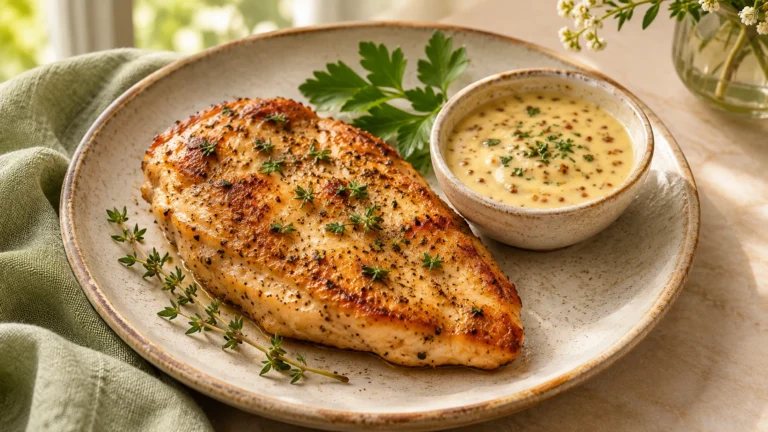
For a chicken pan sauce without wine, use unsalted chicken stock to loosen the browned bits, then adjust acidity with a little lemon juice or a compatible vinegar if the sauce needs it. Add acid gradually after tasting the reduced base. Stock can do the deglazing by itself, while a small acid adjustment provides brightness. If wine is the dish’s defining flavor, choose a sauce developed without it.
Decide what the wine was meant to do
A splash of wine can loosen the flavorful browned bits on a skillet, contribute its own aroma and acidity, and provide a liquid that reduces before stock, cream or butter goes in. A recipe that uses only enough wine to deglaze gives you more flexibility than one whose main simmering liquid is a particular wine. Read the amount, when it is added, and what else goes into the sauce. A substitute may meet the pan’s need for liquid while changing the flavor of what you serve.
Check the skillet before choosing how much to add. Golden or brown fond from searing can add savory flavor. A black, scorched patch can add bitterness that acidity will not reliably cover. If you smell burning and most of the dark material is scorched, make the sauce in a clean pan with fresh aromatics and stock. If there is only a little excess rendered fat, remove it as the recipe directs so the water-based liquid can reach the browned surface.
| Wine’s role | What to try | What to check |
|---|---|---|
| Small splash for deglazing | Unsalted chicken stock | The liquid loosens the fond and stays balanced after reducing |
| Bright finish in a lemon or caper sauce | Stock and a small adjustment of lemon juice | Lemon and briny additions may already supply enough brightness |
| Acidity in a savory sauce | Stock and a compatible vinegar added sparingly | Vinegar is more concentrated in flavor than the wine it replaces |
| Main flavor of a wine-forward sauce | A separate stock-based recipe | Expect a different flavor profile from the original |
Deglaze with stock and taste the reduced base
Take fully cooked chicken out briefly and put it on a clean plate. Add the stock as the recipe or skillet technique directs and loosen the browned bits gently. A wooden spoon or suitable spatula lets you get across the pan without scraping where the surface would be damaged. Let the stock reduce until it has the intensity and body you want. Unsalted stock leaves you more room for seasoning because any sodium present becomes more noticeable as the liquid cooks down.
After the sauce reaches the intended stage, take a spoonful off direct heat and let it cool enough to taste. If it is already bright from the ingredients in the recipe, leave it as it is. If it tastes heavy or flat, try a few drops of lemon juice or a compatible vinegar in that spoonful. Check the result with a bite of cooked chicken. A half-empty tablespoon of vinegar poured into a modest amount of reduced sauce can be hard to undo. Use a measured sample and add less than you think you will need to the pan.
Compare a lemon sauce and a buttery herb sauce
In a lemon and caper sauce, stock can take the place of the wine’s liquid role. The measured lemon and capers may already supply enough acidity or brightness once reduced. Add less lemon at first if the recipe lets you adjust toward the finish. Capers also contribute salt, so taste before salting. If the sauce tastes right with a cooked piece of chicken, no additional vinegar is needed.
In a chicken and herb sauce finished with butter, stock may give enough savory flavor while leaving the sauce softer and rounder than the wine version. For a little contrast, test a very small amount of compatible vinegar or lemon and finish the butter as the recipe directs. If the sauce includes dairy, account for acidity and heat at the same time. A tested no-wine cream sauce is a more predictable choice than adding a substantial amount of acid to a boiling dairy base.
For a buttery chicken finish with a different balance, compare Buttered Chicken.
Avoid substitutes that answer the wrong question
Cooking wine may contain added salt and still contains wine, so it may not meet the reason you are choosing an alternative. Wine vinegar is stronger and more acidic in character than wine and is best considered a seasoning here, not the main volume of deglazing liquid. White grape juice can bring noticeable sweetness that a dry wine would not supply. If you are avoiding alcohol for a specific reason, choose stock and choose any finishing ingredients according to that reason and the applicable product information. A reduction or label such as cooking wine should not stand in for checking ingredients.
When a recipe uses a larger quantity of wine as the central flavor, the stock version will make a different sauce. Choose a tested stock-based recipe with the flavor you want, such as lemon, mushrooms or herbs. It will give you measured instructions for its own volume and finish. That approach usually offers better control than trying to build a wine flavor by adding more and more vinegar or lemon to plain stock.
Record a small adjustment you can reproduce
For a skillet you use often, start with the stock amount the selected sauce specifies. Test an acid adjustment in a spoonful and note the type and approximate amount you actually use. Repeat only if the next pot has similar concentration. A narrow saucepan retains more liquid over the same time than an open skillet with a larger surface. If the base changes, taste again rather than carrying the same acid ratio over automatically. A warm plate and a bite of the finished chicken can also reveal whether the sauce needs enough acidity to stand out or is already doing its job.
Check the chicken independently
Cook poultry to 165°F (74°C), measured at the thickest part, and set fully cooked pieces on a clean plate if you need the skillet to finish the sauce. If the juices in the skillet have contacted raw or partially cooked chicken, finish cooking safely before tasting. Once you have a sauce you like, return the cooked chicken promptly or pour it over the portions when serving. Refrigerate leftovers promptly and reheat to 165°F (74°C). Warming a single portion and stirring the sauce helps you check both its temperature and its texture.
For ideas using bright pan sauces, browse Italian Chicken Recipes.
Keep a simple stock-and-acid comparison for the next skillet
If the stock-only sauce is already appealing, divide a little into two warm spoons or small bowls. Leave one as it is and add a drop of lemon juice to the other. Compare both with the same piece of cooked chicken and with the side dish. If you prefer the stock alone, add herbs or butter only as the recipe directs and save the lemon for the table. If you prefer the brighter sample, add acid to part of the finished pan first. That preserves an easy way to adjust if someone at the table wants less acidity.
The side can change your judgment. A plain potato or rice can soften the impact of the sauce, while a sharp salad dressing or lemony vegetable can make a bright sauce feel repetitive across a plate. Plan where you want the acidic note. Keeping seasoning optional at the table works well when the sauce is already well balanced and you only want a brighter bite occasionally.
When using homemade stock, note how concentrated it is before putting it on the heat. A strongly reduced stock may already have enough body for the sauce, while a lighter stock may need more time. If you use a boxed version, check the ingredient list and the salt before adding more in the skillet. A repeatable result starts with the liquid you are actually using, not the volume alone.
When a sauce thickens more quickly than expected, move it off the heat before tasting and leave the vinegar or lemon out until you have checked the stock level. A spoonful of compatible stock can loosen the base without adding acidity. Finish once the sauce flows over the chicken.
For more on thermometer use and storing cooked chicken, see the HCCR chicken food safety guide.
Sources and references
Frequently asked questions
Will chicken stock alone replace wine?
It can provide the liquid for deglazing and make a savory sauce. Taste the finished base to decide whether it needs a small amount of acid for brightness.
When should I add the acid?
For a simple stock-based pan sauce, taste after the intended reduction and test a little acid near the end. Follow the chosen recipe if it deliberately cooks an acidic ingredient earlier.
How do I make a quick pan sauce for chicken?
Remove safely cooked chicken to a clean plate, deglaze the browned bits with stock, reduce as appropriate, and finish with ingredients that suit the recipe.
Can I replace wine with the same volume of vinegar?
Vinegar is concentrated and would usually dominate. Use stock for the volume and test vinegar in a very small amount for flavor.