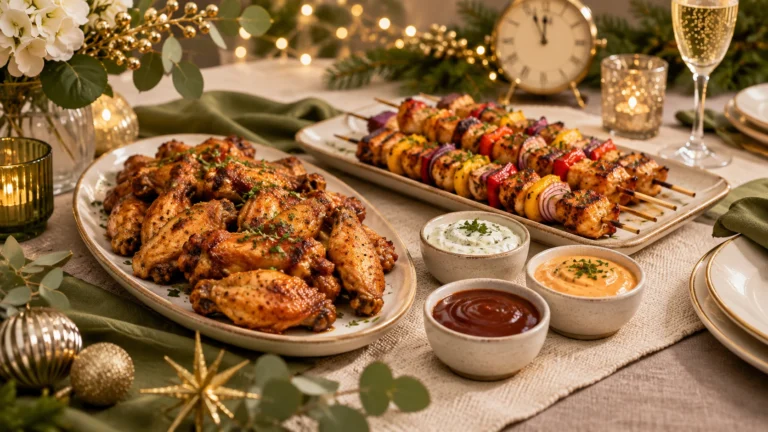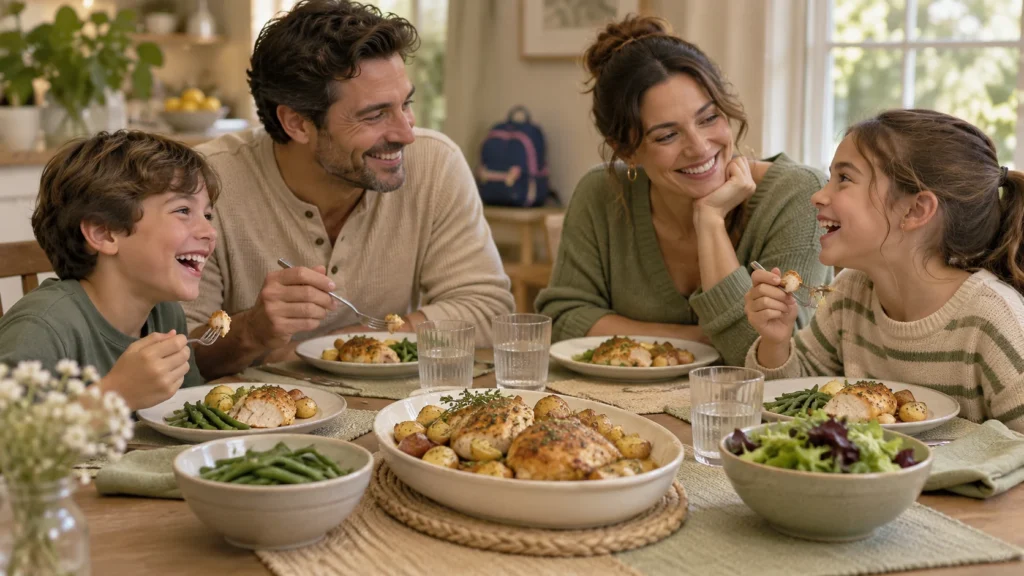
Plan three chicken dinners, one leftover meal and one fast backup for the first school week. Move a frozen portion to the refrigerator early enough to thaw safely, and keep a dinner that fits a late pickup or activity night. Use the same vegetables or grains in more than one meal while keeping each cooked portion within its safe storage window.
Put the real school schedule on paper
Pick the heaviest pickup, practice or meeting day first. That is where a simple leftover plate or a backup dinner earns its place. Choose a longer-cooking recipe for a calmer evening. Decide whether you can actually start cooking when you think you can. A meal with only a few active minutes still needs oven warm-up and cooking time. Match your choice to the time between getting home and eating.
Look at the people around the table too. If one person eats later, plan a separate portion kept at a safe temperature or refrigerate it promptly and reheat it when needed. If everyone comes home hungry at once, make a meal that can serve as soon as the main reaches temperature. A short list of repeatable meals is easier to use than five new recipes during the first week.
Example first school week
| Situation | What to do |
|---|---|
| Monday and Tuesday | Make lemon chicken first. Use a safely chilled reserve in a bowl the next day. |
| Wednesday and Thursday | Cook thawed thighs, then make quick fresh chicken strips for wraps. |
| Friday or late pickup | Use the fast backup meal and shift the other dinners as needed. |
Give Monday through Friday a flexible outline
For Monday, choose a sheet-pan lemon chicken with carrots or green beans. For Tuesday, serve a leftover chicken and rice bowl with chilled cucumber. For Wednesday, thaw-ahead chicken thighs can become a skillet dinner with frozen peas or cabbage. For Thursday, cook quick chicken strips for wraps or a salad. Friday can be a fast backup with ready-to-use ingredients, such as separately prepared cooked chicken kept safely, a quick grain and a freezer vegetable. Trade days if the week shifts.
Choose recipes that leave a separate portion when you want leftovers. Use clean utensils and move the planned reserve into a shallow container promptly. Label it with the original cooking date before it joins other boxes. If you want a meal later than the safe refrigerator window, freeze the eligible portion promptly and arrange safe thawing before it is needed. The plan is easier when tomorrow's meal has a clear box and place in the refrigerator.
Set up the thaw-ahead dinner
Check the size of the chicken package and choose when it needs to move to the refrigerator. Put raw chicken in a leakproof container on a low shelf away from ready-to-eat foods. A day may be enough for some small packages, while large or tightly packed quantities can take longer. Verify thawing before dinner rather than assuming the center has softened. USDA advises cooking thawed raw poultry within one or two days after refrigerator thawing.
If part of the chicken is still firmly frozen at dinnertime, use a safe thawing method that fits the schedule, or move that recipe to a later day within the safe window and use your backup. Follow USDA directions for cold-water or microwave thawing and cook immediately afterward. Keep poultry off the counter for thawing. If the whole point of the backup is to save time, choose a meal with a different ingredient that is already usable.
Build a backup for the night that runs late
A useful backup has ingredients you know are on hand and a preparation method you have used before. For example, keep a suitable frozen fully cooked chicken product, a simple rice or grain option and a bag of vegetables. Follow the package directions. Reheat home-cooked leftovers to 165°F (74°C) throughout. Use a shelf-stable option as appropriate if cold storage or reheating involves uncertainty. Label planned backups so they do not quietly become another dinner during the week.
Make the backup practical for your kitchen. If one pan is dirty or occupied, choose two components that can share your available equipment according to their instructions. Put cold vegetables and dressings in separate containers. A frozen vegetable can be useful because it keeps until you need it, but make sure your plan includes the time and equipment it requires. The point is to have a dinner that still works when the original schedule changes.
Do only the advance prep that saves time
Wash produce and dry it before storing as appropriate. Set aside the vegetables that can be used across two nights and keep raw chicken and its juices away from ready-to-eat ingredients. If you are prepping chicken for the next day, follow safe refrigeration guidance for raw poultry. Check the packages and freezer before shopping. Buying the chicken cut and sides you actually use can prevent a second trip on a busy evening.
Choose one base that can take different flavors. For example, make plain rice to serve with fresh chicken and keep a planned portion for the next night's bowl. Refrigerate cooked perishables promptly in shallow containers within two hours, or one hour above 90°F (32°C). Keep them at 40°F (4°C) or below, use most cooked leftovers within three to four days and reheat hot portions to 165°F. Cook fresh poultry to the same temperature.
Use a five-minute reset each evening
Confirm which dinner is next, check what is thawing and put the required pan or ingredients where you will find them. Move any side that changes the schedule to a calmer night. If you are using leftovers, check the date and label before planning a lunch or dinner around them. Make room for what needs to chill promptly after cooking.
At the end of the first week, keep the meals that fit your actual timings. If practice ran over on two nights, plan two quick options next time. If leftovers went unused, make a smaller reserve or freeze a portion early. A workable dinner plan is one you can follow when school adds a surprise to the calendar.
Give each night one useful handoff
On Monday, set aside the chicken for Tuesday as soon as you plate. On Tuesday evening, check that the Wednesday package has thawed enough and set the skillet out. On Wednesday, verify you have the ingredients for Thursday and leave the cold wrap option for a day when you have an eligible chilled portion. Keep Friday's backup components grouped in the pantry or freezer. If the week shifts, switch an entire meal rather than moving just the chicken and forgetting the sides that made the dinner fast.
Sources
Frequently asked questions
Which dinner should I put on the busiest day?
Use your fastest backup or a planned safely stored leftover meal. Keep the longer recipe for a calmer night.
When should I thaw the chicken?
Move it to the refrigerator early enough for the package size and allow more time for a large bundle.
What if the chicken is still frozen?
Use a safe thawing method with immediate cooking where required, or serve the backup and move the recipe.
How can I save prep without eating the same food all week?
Reuse a side such as rice or cabbage with different serving styles and check its safe storage window.
Can leftover chicken go into a cold wrap?
Yes, if fully cooked, cooled promptly and safely kept at 40°F or below within its storage window.
How do I make the plan flexible?
Choose a few fixed dinners and leave at least one slot for a fast backup or safely stored leftovers.