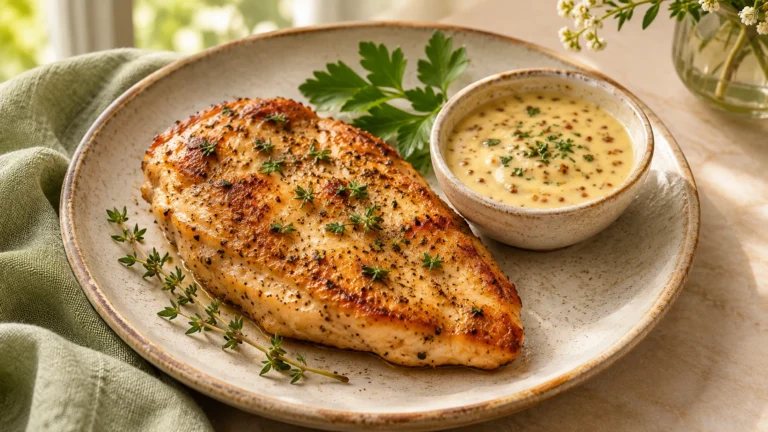
Cooked chicken can develop a metallic, stale or cardboard-like taste after refrigeration because its fats oxidize. This is called warmed-over flavor and can be noticeable even before reheating. Judge food safety separately from flavor. If the chicken was chilled promptly and stored within USDA limits, try a clean herb dressing or a compatible sauce, and package future leftovers in shallow covered portions.
Identify when the flavor first appeared
If your chicken tasted fresh at dinner but seems stale the next day, reheating is only one part of the timeline. Lipid oxidation can take place during storage. Reheating can make the altered aroma easier to notice. The taste may read as a flat meaty note, a faintly metallic edge or a flavor sometimes likened to cardboard. These descriptions are culinary clues, and they cannot identify bacteria or establish whether the food is safe.
If the first serving already had the flavor, review the original ingredients and method. Burnt spices, overheated oil, old seasoning and an over-reduced pan sauce can leave flavors that persist into leftovers. Put your note beside the date the chicken was cooked. A flavor that only develops after a day in the refrigerator points to a different explanation from an acrid taste that was present straight off the stove.
Choose the response by timing, texture and storage
| What you notice | What it means | What to do |
|---|---|---|
| Fresh at dinner, stale during refrigerated storage | Oxidation is one possible contributor. | Check the safety record before trying an appropriate fresh finish. |
| Unpleasant flavor present fresh | The original oil, spice or cooking method may have caused it. | Identify the original flavor before increasing seasoning. |
| Dry breast after reheating | Texture can amplify a stale impression. | Slice it and serve with moisture if the storage history is safe. |
| Handling time is uncertain | A sensory check cannot confirm safety. | Discard it without tasting. |
Write the date on each portion and note whether you want to serve it chilled or hot. When you pack chicken already flavored with a sauce, plan the second dish around that flavor. A plain portion gives you more options and can be dressed as needed rather than sitting in a wet salad before you serve it.
Use storage history before sampling
USDA advises refrigerating perishable leftovers within two hours, or within one hour when the surrounding temperature is above 90°F (32°C). Use shallow containers and refrigerate at 40°F (4°C) or below. Use properly refrigerated leftovers within three to four days or freeze them. If you cannot establish whether the chicken was handled within safe limits, discard it without tasting. A normal smell gives no assurance.
If reheating the chicken, bring the food to 165°F (74°C). Use a clean thermometer and check thick pieces from the side when useful. Stir and rotate microwaved portions for even heating. Safely refrigerated chicken can also be used cold in a prepared salad or wrap. Keep cold portions chilled and use clean utensils and separate serving ingredients. If you are deciding between reheating methods, prioritize heating all parts safely.
Package the next batch for the meal you intend
Cut or portion large amounts so the center cools promptly. Use shallow covered containers appropriate for food storage. Date them, and freeze portions intended for a later meal rather than keeping the whole batch in the refrigerator until the end of the window. Smaller portions also let you open and reheat only what you will eat. This is a practical quality measure as well as a way to manage the timing of safe storage.
A snug container limits unused headspace and keeps the chicken from picking up odors from other leftovers. It does not prevent every flavor change, and tight packaging never replaces refrigeration. Keep wet salad ingredients and crunchy toppings separate. A plain chicken portion can then be used with several finishes, while a portion already coated in a strong sauce is best matched to a similar dish.
Choose a finish that suits the cut
For chilled breast meat, thin slices and a small lemon-herb or mustard dressing can add brightness and moisture. Try the dressing on one forkful after verifying the chicken's storage history. If it tastes better, use it on that portion and keep the rest chilled. Chopped parsley, a little fresh lemon and a suitable oil can all contribute without requiring another round of heating.
For thighs, a warm stew, rice bowl or filling often suits the richer texture. Heat an appropriate sauce, add the leftovers at a stage that allows the full portion to reach 165°F (74°C), and use clean fresh herbs or pickled vegetables at serving. Avoid strong perfume or a lot of sugar as your first correction. A finish should suit the meal. If the chicken still tastes unpleasant after a small test, use a different ingredient for dinner.
Distinguish flavor from dryness after heating
An overcooked piece can taste stale partly because its texture is dry. If the leftovers were safely stored, try slicing across the fibers and using a moist serving format. A sauce helps the bite but cannot reverse oxidative flavor changes. Direct microwaving without stirring or moisture can leave warm and cool areas and make texture worse. Use a covered, vented dish and short intervals as appropriate for your appliance, verifying the temperature throughout.
Look through the HCCR leftover recipes by cut and serving style. A breast preparation intended for a cold meal may not need the same finish as a cooked thigh dish. Use a clean spoon to taste one portion only after verifying handling, and consider a next meal that complements what is already on the chicken.
Browse HCCR's leftover chicken recipes to choose a format that fits the way you stored and seasoned the original dish.
Compare a chilled portion with a cooked leftover dish
Choose a published leftover format by cut. HCCR lists a breast skillet with rice and peas and a separate thigh fried rice dish. Those are warm options suited to poultry that can be measured at 165°F at serving. A chilled preparation works differently. Keep it cold until needed, slice it to suit a salad or wrap and try lemon-herb dressing on only one small portion. The finish can make a safe meal more appealing, but it gives no information about whether the chicken was cooled promptly.
For batch cooking, picture three portions. Serve one now, chill one promptly for tomorrow and freeze one promptly for a later meal. Mark both saved portions so you are choosing from the dates rather than by smell. Keep the dressing or fresh herbs in a separate container. When serving, note whether the flavor was apparent cold or became stronger after the portion was heated. That can help you choose a chilled preparation or a different compatible finish the next time.
Avoid combining a new batch with an older portion in the same container. Keeping servings distinct lets you track their dates and preserves the option to season only what you intend to eat.
Decide what to serve on the side
When a safe portion tastes slightly stale, put the bright ingredient beside it rather than mixing a strong dressing into every remaining piece. A lemon wedge, a little mustard dressing or chopped herbs give you different ways to taste the first bite. If the dressing improves only the dry surface of a breast piece, slicing across the grain and adding a moist accompaniment may do more for the meal. If the meat is safe and the objection is still mainly flavor, choose a sauce you actually like with the chicken and warm only the portion needed for dinner. Keep the rest dated and chilled.
Separate storage decisions from serving decisions
Once a frozen portion thaws safely in the refrigerator, keep track of how long it has been thawed. Do not give it a new date simply because it enters another dish. Plan serving and reheating around the established storage guidance. To compare two flavors, use portions from the same cook and the same storage conditions so one piece's history does not confuse what you learn from the finishing sauce.
Sources and references
Frequently asked questions
Is warmed-over flavor a sign that chicken spoiled?
It can reflect fat oxidation rather than spoilage. Use time and temperature history for safety and discard leftovers whose handling is uncertain.
Does freezing stop the taste?
It can help preserve quality when done promptly, but it does not reverse a flavor that is already present. Freeze in usable portions.
Does adding lemon make old leftovers safe?
No. Lemon is a flavor choice. Unsafe storage calls for disposal.
Can I use safely stored chicken cold?
Yes, in an appropriate chilled dish within the storage window. Keep it cold and handle it with clean utensils.
Does the same fix work for dark and white meat?
Choose by texture and flavor. Lemon and herbs can suit chilled breast. Warm sauce can suit thighs when reheated safely.
Can I leave it to cool on the counter before packing?
Use shallow containers and refrigerate promptly within USDA's limits. Avoid leaving the entire batch out until it feels cold.