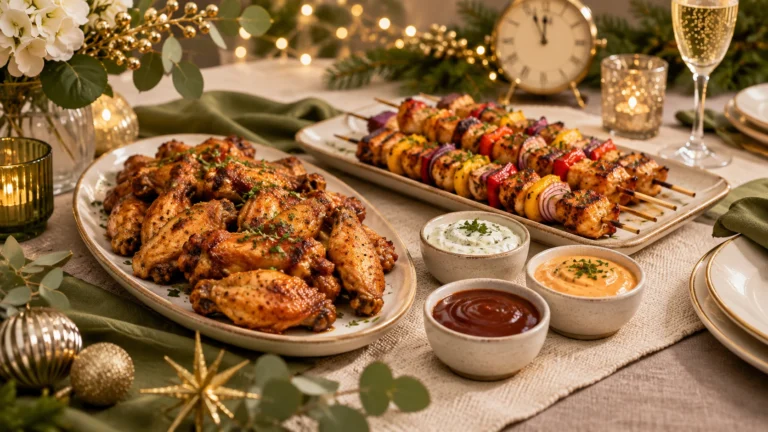
For iftar, choose one chicken main that fits your kitchen near sunset, then add a light starter and one simple side. Fully cook and chill soup or a sauced main earlier if that helps, and reheat it safely. Check your local iftar timetable for the date and location. Keep dates, water and chilled salad ready while the hot food finishes.
Match the main to the last part of the day
Use the local sunset or Maghrib time as the planning anchor. Check a timetable your household follows and confirm the local Ramadan date, since the lunar calendar and moon-sighting practice can affect the start of the month. The relevant time also changes with location and over the course of Ramadan. Build your schedule around the verified time for this meal, leaving margin for serving rather than planning for an exact cooking finish.
Chicken kabobs can fit when you have a reliable grill, suitable tray or oven method and want to serve pieces that are easy to portion. Check the cut, size and marinating directions before shopping. If the recipe calls for marinating, keep the poultry covered in the refrigerator. Set out a separate clean platter and utensils for cooked pieces and follow the method for when to preheat. Set a separate timer to start checking when the recipe indicates the chicken is nearly ready.
A sauced chicken main is an option when you can do most of the cooking before the final serving period. Choose a curry, braise or similar preparation suited to reheating. Fully cook it, cool it promptly in shallow containers and refrigerate. If cooking it all close to serving, leave time to check the thickest pieces. Do not partially cook chicken for completion hours later. Prep ingredients cold or fully cook and store the dish safely.
| Kitchen setup | Chicken main | Starter and side | Timing priority |
|---|---|---|---|
| Oven or grill plus one burner | Kabobs or suitable portions | Warm soup and chilled cucumber salad | Coordinate the thermometer check and soup |
| One burner | Fully cooked sauced chicken | Dates, water and a ready-to-serve cold side | Reheat only the portion you will serve |
| Rice cooker and stovetop | Chicken curry or braise | Rice and chopped salad | Start rice independently and keep salad chilled |
| Limited active time | A cooked main suited to reheating | Bread, dates and cucumber | Get the chilled serving dishes ready first |
Choose the starter for the time and tools you have
Some households break the fast with dates and water and serve a meal after that. Adapt the sequence to your table. Put the dates in a small clean dish and set out water before the last cooking steps. If you want soup, keep the first portions small, with a clean ladle and a stable pot. A simple broth or suitable vegetable soup fits when the main already comes with a rich sauce. If the only burner is needed for chicken, a cold starter or the dates and water can keep that slot clear.
For the side, use one starch or salad that fits the main. A sauced chicken dish can go with rice or bread and a little cucumber. Grilled pieces can go with a cold salad, yogurt if suitable, and bread. For more guests, use separate bowls for dressing, vegetables and any spicy topping. Prepare the amount that can be chilled and safely served rather than making a large salad that will sit out through several rounds.
Keep flavors distinct. If the main already has a rich or hot sauce, choose a plain starch or mild salad. If the chicken is lightly spiced, set out a bright dressing with its own spoon. Ingredient choices and the order of service differ by household and region, so use the foods your guests expect and that your equipment can handle. A short menu works when it has a main, a side and an easy start.
Prepare earlier in the day
Prepare dressing, measure rice and portion suitable seasonings. Refrigerate prepared perishables and keep raw chicken separate from ready-to-eat food. If making soup ahead, store it in shallow clean containers at 40°F (4°C) or below. Use a clean scoop for the reheating portion. If the soup contains noodles that you want to keep firm, store them separately and finish the dish at serving.
With one burner, choose whether it will heat the starter or the main in the last window. The simplest schedule is to serve an already prepared cold starter and reserve the burner for the main. If you want both hot, reheat one first and hold it safely at 140°F (60°C) or above using equipment that can maintain that temperature. A covered pot without heat may not do that reliably. A suitable microwave or rice cooker can give a side its own station.
For other choices for the main, browse Indian & Pakistani Chicken Recipes.
Follow a calm serving sequence
Several hours ahead, check your local timetable and have the cold food chilled. Set the table with dates, water and clean utensils. Start the method that needs the longest cooking time according to its recipe. Keep a buffer for the poultry temperature and use the published time only as a reminder to check. Cook chicken to 165°F (74°C) in the thickest part, keeping the probe out of bone or away from a skewer.
When reheating cooked food, reach 165°F throughout. Bring reheated soup, gravy and sauces to a boil as directed by USDA guidance. Stir where appropriate and check thick pieces as well as the surrounding liquid. If the table is ready before the main, serve water, dates or the starter first according to your household’s practice. Bring out the chicken when it reaches temperature, rather than when you planned for it to be ready.
If there is a break between the starter and main, leave cold dishes refrigerated and use appropriate hot holding or wait to reheat the main until the later service. Put perishable leftovers in shallow containers and refrigerate promptly, within two hours out of temperature control or one hour above 90°F. Keep the original storage date for components made ahead. Set out smaller portions if people expect to return to the table later.
A workable plan for a small household
Choose chicken kabobs, a bowl of cucumber and bread, with water and dates ready. Wash and slice the vegetables early, then refrigerate them. Prepare the kabobs as the recipe directs and use one clean platter for serving. While the chicken finishes, put out the bread and water. If the chicken takes more time, everything except the main can wait safely or go to the table as appropriate. This keeps the final checks and serving work in the same area.
Plan for time away from the kitchen
If the household plans to pause between breaking the fast and eating the main, build that pause into the schedule. Roast or grill the chicken so you can check the temperature before the intended meal. If it is ready early, choose proper hot holding or a reheating plan appropriate to the dish. Keep chilled salads or dairy sides in the refrigerator through the pause. A menu with dates, water and one simple soup can be served in stages without leaving all the food out.
If guests are bringing dishes, ask when they expect to arrive and whether their food needs a burner. Reserve the needed space before finalizing other hot sides. A guest can also bring a chilled vegetable or bread that does not need the last burner. When people have different serving or prayer schedules, a small first platter and a separate safely held reserve are easier to manage than one large platter for everyone.
Use a short practical checklist when cooking earlier and reheating near dusk. Label the containers by dish and original cooking date. Set aside a clean ladle, wash raw poultry equipment before reuse, and identify where the soup and main will go. Put rice or bread in its own serving dish so nobody needs to reach over a hot soup pot. It is easier to serve food safely when each item already has a place.
For suitable soup styles, browse Chicken Soup & Stew Recipes.
For more on thermometer use and storing cooked chicken, see the HCCR chicken food safety guide.
Sources and references
Frequently asked questions
Which dishes can I prepare earlier in the day?
Prepare dressing, chopped vegetables that store well, or a fully cooked soup or sauced chicken dish. Chill perishables promptly and reheat hot leftovers safely.
What if I only have one burner for the final steps?
Give it to the main and start with dates, water or a cold side. Use separate suitable equipment if you also want rice or soup.
Do I need a full hot meal ready exactly at sunset?
Use the local timetable as your anchor and follow your household’s serving practice. A ready starter leaves room for the chicken to finish safely.
Can I reheat soup and chicken together?
Use a recipe suited to that, check thick chicken pieces at 165°F, and bring the reheated soup to a boil. Separate reheating gives you more control when their timing differs.