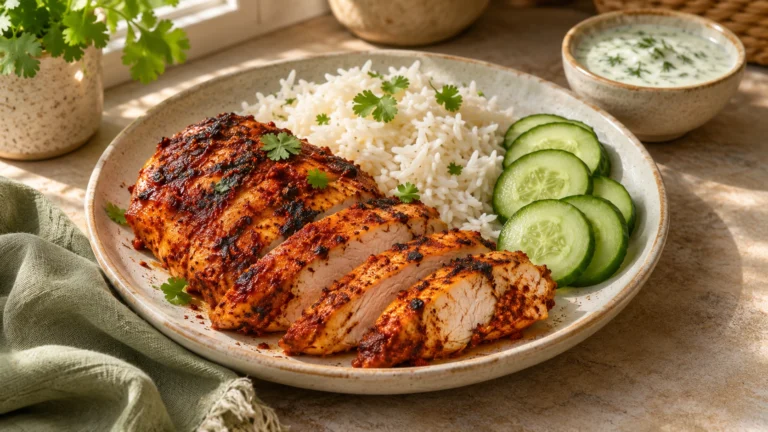
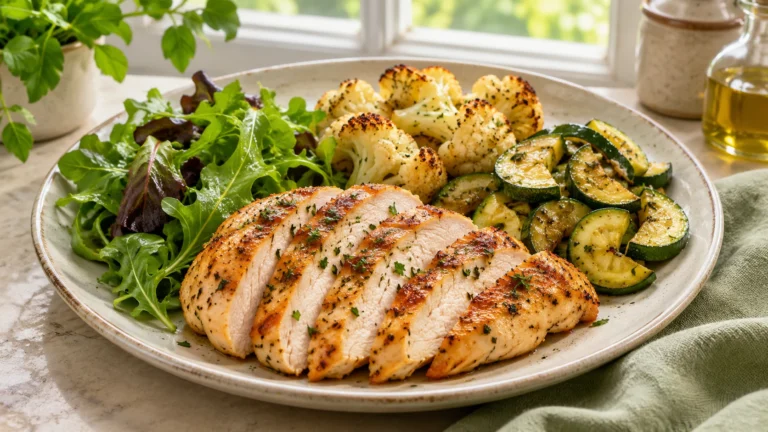
Serve chicken enchiladas with a side that suits the filling, sauce and richness of the pan. A crisp cabbage and radish salad works well beside cheesy or creamy enchiladas. Black or pinto beans make a smaller serving more filling, and plain or lightly seasoned rice can balance a spicy sauce. Pick one dependable side and one fresh topping if needed. Keep wet additions in separate bowls so diners can season each serving.
Balance the enchilada pan
| Situation | What to do |
|---|---|
| Creamy or cheesy | Serve crisp cabbage or radishes. |
| Small or lean filling | Add black or pinto beans. |
| Spicy sauce | Use a mild starch and offer toppings separately. |
Look at what the pan already brings
Some enchiladas are filled generously with chicken and topped with cheese, while others rely on a small portion of meat and more sauce. Look at the actual pan, then decide whether the meal needs a filling side or only a fresh contrast. Cheese, cream and a rich filling can make an equally rich bean dish feel heavy. A smaller serving with a lean filling may call for beans, rice or both, depending on appetite.
Compare red, green and creamy sauces by taste rather than assuming how hot they will be. A green sauce can be quite mild or sharp. A red sauce can be smoky, sweet or spicy. Taste a clean spoonful that has not touched raw chicken, then select a side. A very acidic sauce may be better with a barely dressed salad. A hot sauce can suit plain rice or a mild side with cucumber.
Decide whether the side needs to absorb sauce. Rice, beans or a piece of warm bread can work, though tortillas in the main already fill some of that role. If there is plenty of sauce in the pan, serve sides with simple seasoning. Put lime, salsa and other strong toppings on the table in small bowls so people can adjust their own plate.
Choose beans for a filling side
Use black or pinto beans when you want something substantial without putting another dish in the oven. Canned beans can be drained and warmed according to the method you select. Use a small amount of seasoning first and taste before adding salt, particularly if the enchilada sauce and cheese are already salty. If you use a bean recipe that calls for keeping some cooking liquid, serve it separately so it does not flood the plate.
Whole beans bring a firmer texture than a smooth bean side. Choose whole beans with soft enchiladas if that texture is appealing. Refried beans can make a small portion more substantial, especially with a lightly sauced main. Serve beans in a small bowl or at one side of the plate. This makes it easy to adjust portions and keeps the tortilla and toppings from soaking up unwanted liquid.
If the filling already contains beans, you might prefer rice or a fresh side as the second component. Use your household’s appetites as the guide. For a two-dish table, one pan of enchiladas and a shared bowl of beans can be enough. Keep salsa, onion and any chilled garnish separate and use clean spoons for each dish.
Choose a fresh side without adding much work
Shred cabbage and slice radishes for a crisp side that can be made before the pan goes in. Wash and dry the produce and use a clean board before working with any raw chicken. Keep the salad refrigerated and add dressing at the end. A small amount of lime or vinegar can be enough. When the main is tart, use less dressing and let the vegetables stand on their own.
Cucumber, greens or a quickly assembled tomato salad can also work. Drain wet vegetables if you want the salad to stay crisp. Put tomatoes and cilantro in their own bowl if diners want to add them to enchiladas too. A soft avocado topping can suit a dish without much cheese. When the main is already creamy, choose a crisp vegetable in place of another rich topping.
For a weeknight table, pick one cut vegetable rather than making several dressed salads. A small bowl of radishes or cabbage with a little salt and lime can be served as a side or a topping. Keep the bowl away from the hot tray so it holds its texture. Use an individual spoon or tongs if several people are serving themselves.
Build two easy menus around the sauce
For rich red-sauce chicken enchiladas, serve cabbage and radish salad with black beans if you want more food. Prep the salad before the oven goes on and warm the beans toward the end of the bake. Bring the salad out just before serving. If the main needs more time, hold the beans hot at 140°F (60°C) or above if you can verify it, and keep the salad chilled.
For a brighter green-sauce pan, choose plain rice, sliced cucumber and perhaps a small bowl of fresh herbs. Start the rice only when you can estimate the remaining bake and rest time. If the green sauce is mild, a few sharper toppings at the table can add interest. If it is hot, leave the rice and cucumber plain. Check the enchilada recipe’s heat instructions and verify 165°F (74°C) for poultry and casseroles.
Serve and store components separately
Set out plates and clean serving utensils before pulling the pan. Let the enchiladas rest if the recipe calls for it so portions lift more cleanly. Set the chilled side out after the hot dishes are ready. Store perishable leftovers promptly in shallow containers. Keep salad and dressing separate if saving them, and follow relevant rice guidance for any cooked rice.
Plan a low-effort table for different appetites
Set plates, clean utensils, a bowl of beans and a bowl of salad nearby. Let people take their preferred combination rather than building every plate the same way. Someone who wants a small but filling serving can take one enchilada and beans. Someone who wants contrast can take another spoonful of cabbage and skip the starch. If the dish is very saucy, serve directly from the oven-safe pan after its recipe’s rest. If the pan is crowded, use a broad spatula instead of cutting a small portion with a spoon.
An easy shopping list is cabbage, one other crisp vegetable and a can of beans. Buy rice only if you expect people to want both starches or you already have it. If you plan a second meal from the components, refrigerate the hot leftovers promptly and keep them apart from the chilled salad. Put only the amount of dressing you need into the serving bowl so the remainder of the vegetables can stay undressed.
Sources
Frequently asked questions
What side suits creamy chicken enchiladas?
Try a crisp cabbage, radish or cucumber salad and use a light dressing.
Are rice and beans both necessary?
Choose one when you want a more filling plate, or serve both in small portions for a larger meal.
What goes well with spicy enchiladas?
Plain rice, mild beans or cool cucumber can complement a hot sauce.
Can I make the salad ahead?
Prepare and refrigerate the vegetables. Dress them just before serving for a firmer texture.
Should I serve salsa on the enchiladas or separately?
Put strongly flavored or wet toppings in separate bowls so diners can adjust their portions.
What is a quick side with little cleanup?
Warm drained canned beans using a suitable recipe, or serve sliced vegetables with a light dressing.